What “Epistemic Communication” Means to Me
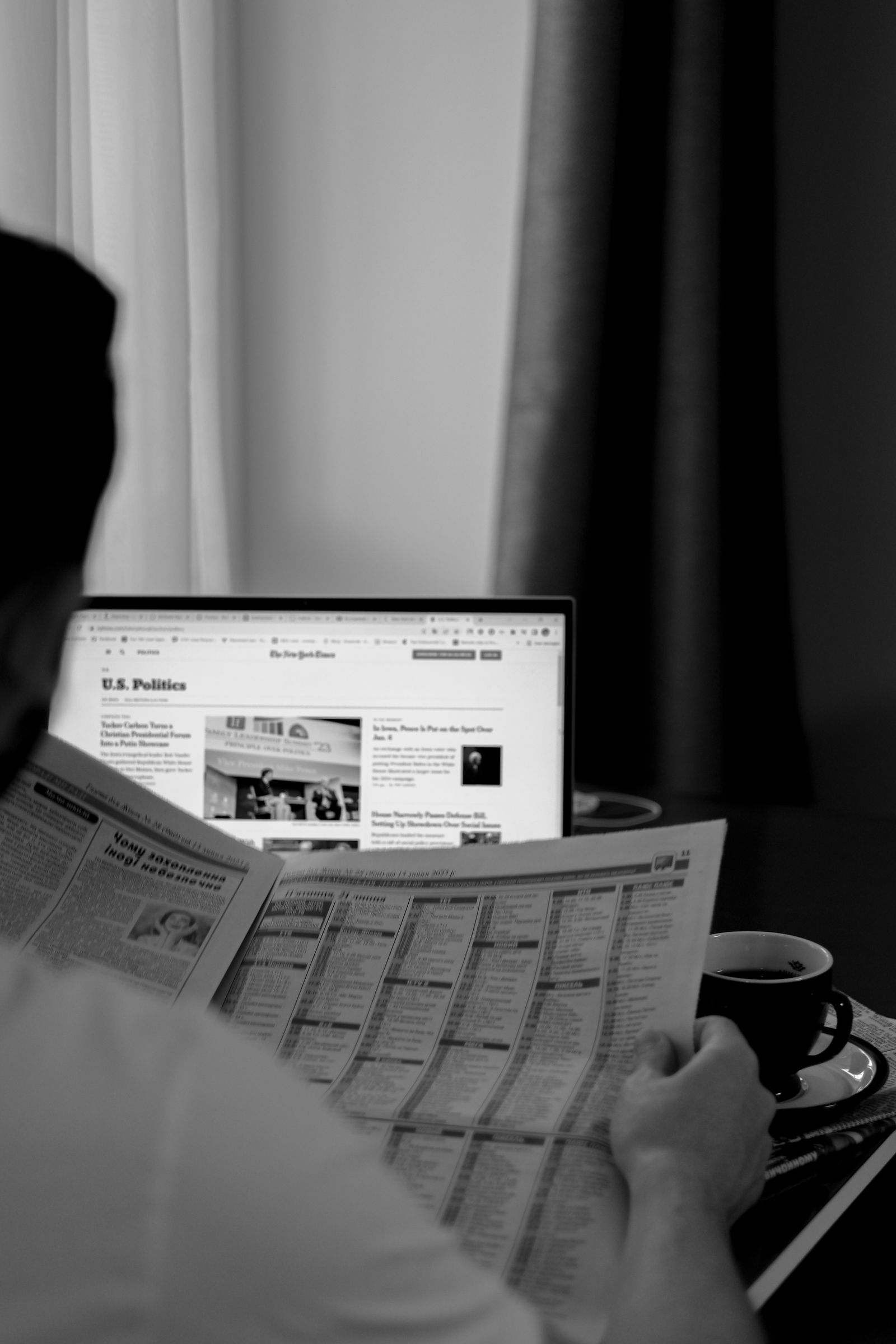
A headline can do a remarkable amount of work in very few words. It can tell us what happened, identify someone responsible, signal urgency and suggest how we ought to feel about the story. It can also make an interpretation sound like an established fact.
One useful moment for me occurs when I notice that a headline has led me towards a conclusion before I have read the article. That is not evidence of deliberate manipulation. Headlines have limited space, and editors have real decisions to make. But it is a reason to notice where the words end and my own inference begins.
When I use the phrase “epistemic communication”, I mean something quite practical: paying attention to how claims acquire the appearance of knowledge as they move between people.
The headline tells me what to look at. I still need to decide what the evidence allows me to conclude.
A report is not the event itself
Journalism taught me that reporting involves selection. A reporter may speak to several sources and review documents; the published story can only contain some of that material. A reader encounters the result, not the entire reporting process.
That makes attribution valuable. “The council announced” is different from “residents fear”, just as “a study found” is different from “a commentator argues”. Each phrase tells the reader something about the status of a statement, although further questions may still be needed.
I now find myself more interested in whether those distinctions survive the journey from the article to a social-media caption or a conversation. A carefully qualified finding can become a confident generalisation when the surrounding sentences disappear.
Filling in the blanks
Psychology has made me curious about what happens on the reader’s side. I do not approach words without expectations, experiences or interests. When a headline fits what I already think, it may feel particularly plausible. When it challenges me, I may look for weaknesses more quickly.
Neither reaction is a reliable substitute for evidence. That is what makes the pause useful: I can acknowledge that a claim feels convincing without treating that feeling as confirmation.
A Poynter discussion of verification captures the professional value of asking how a source knows what they say. I find the question relevant well beyond journalism.
Room to revise
This is certainly not an argument for endlessly checking every sentence or becoming suspicious of everybody. We need ordinary working trust to understand the world. But we also need language for different degrees of confidence. That matters even with reports I trust: a headline is a route into a story, not a substitute for the details that let me understand it.
I might say a report is persuasive, that the evidence appears strong, or that I have not checked the underlying figures. Those are different positions. Making them visible to other people is itself a form of responsible communication.
The moment I separate a headline from my conclusion, I make room to learn something unexpected from the full story. Perhaps the question worth keeping is not merely “Do I believe this?”, but “Which part of this do I know, and which part am I supplying?”


